

Key Takeaways
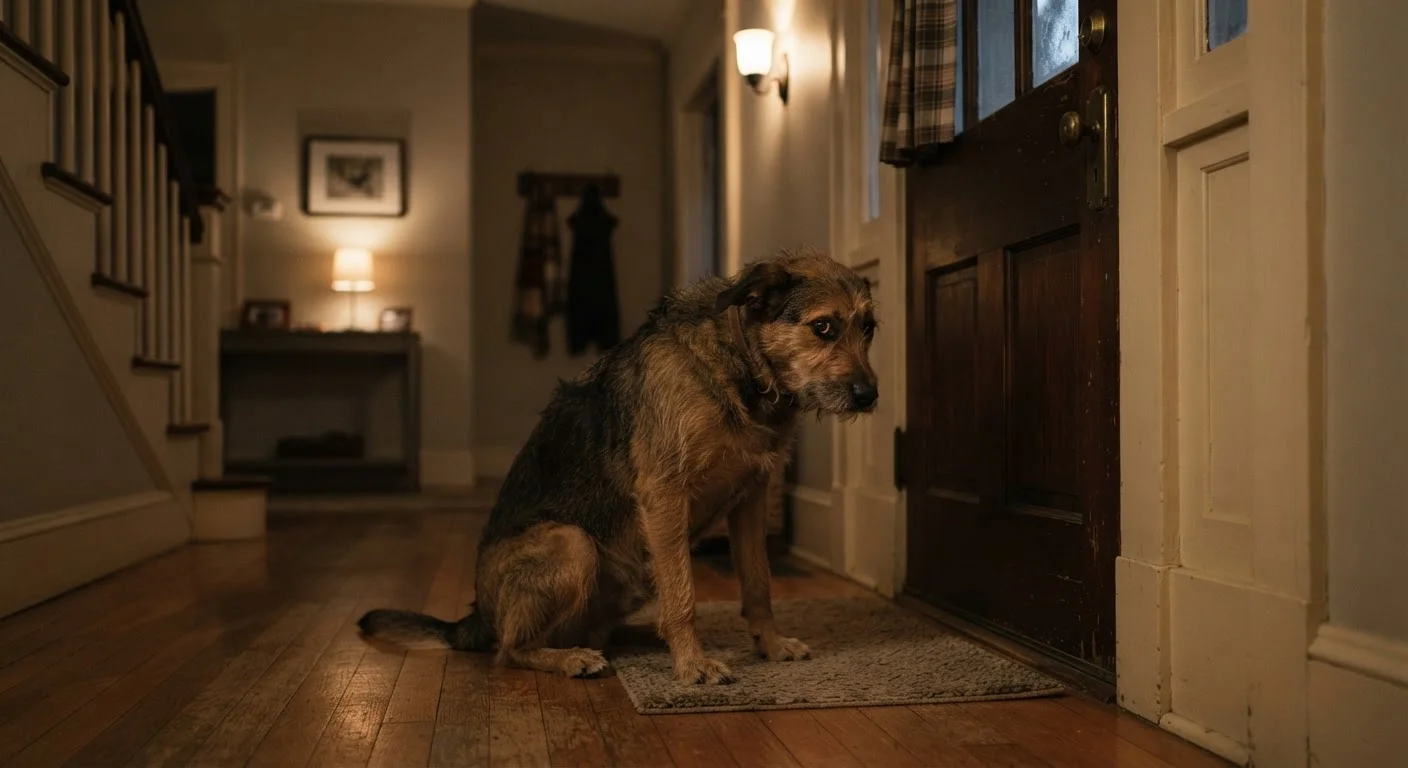
- Separation anxiety is a genuine fear response, not disobedience or spite.
- Common signs include destructive behavior, excessive barking, and house soiling that only happen when the dog is alone.
- Gradual desensitization to departures is the most effective first step owners can take at home.
- Severe cases often need a combination of behavioral training and veterinary guidance.
- Dogs with a history of rehoming or early isolation are at higher risk.
Start here
What separation anxiety actually is
Next
Signs to watch for
Then
Why some dogs develop it
Apply it
How to start helping your dog
When needed
When to bring in professional help
What separation anxiety actually is
Separation anxiety is a behavioral condition in which a dog experiences significant distress when left alone or separated from a person they are bonded to. It is not a personality quirk or a training failure. The dog is in a state of genuine fear, and the behaviors that follow are a direct consequence of that fear response.
Veterinary behaviorists distinguish between true separation anxiety and separation-related behaviors. True separation anxiety involves a consistent, intense reaction tied to a specific person's absence. Separation-related behaviors can have other causes, such as boredom or inadequate exercise, and may look similar on the surface. Getting this distinction right matters because the solutions differ. For a broader picture of how chronic stress affects dogs physically, see the article on stress and anxiety in pets.
Separation anxiety
A fear-based condition in which a dog becomes highly distressed when separated from a specific person or people they are attached to.
Desensitization
A training process that gradually exposes a dog to a feared situation in very small doses, building tolerance over time without triggering a full anxiety response.
Pre-departure anxiety
Stress signals a dog shows before the owner has even left, triggered by cues like keys or shoes that the dog has learned to associate with being left alone.
Attachment behavior
A dog's tendency to closely follow or seek proximity to a specific person, which can contribute to distress when that person is not present.
Veterinary behaviorist
A veterinarian with specialized post-graduate training in animal behavior disorders, qualified to diagnose and treat conditions like separation anxiety using both behavioral and medical approaches.
Signs to watch for
The clearest indicator is that the problematic behavior happens only when the dog is alone or believes it is alone. Common signs include:
- Destructive chewing or scratching, especially near doors and windows
- Barking, howling, or whining that persists well past your departure
- House soiling in a dog that is otherwise reliably housetrained
- Attempts to escape a crate or room, sometimes causing self-injury
- Pacing or inability to settle before you leave
- Excessive greeting behavior when you return, lasting more than a few minutes
Pre-departure anxiety is worth noting separately. Some dogs begin showing distress the moment their owner picks up car keys or puts on a coat. This anticipatory response is a strong indicator of separation anxiety rather than simple boredom. Setting up a phone or a pet camera to record your dog after you leave is one of the most practical ways to confirm what is actually happening.
Why some dogs develop it
No single factor causes separation anxiety. Several conditions appear to raise the likelihood:
- Changes in routine: A dog accustomed to constant human presence, such as during an extended period at home, may struggle when that changes suddenly.
- History of rehoming: Dogs that have lived in multiple homes, including shelter dogs, have a higher reported rate of separation-related behaviors.
- Early isolation: Puppies that miss out on appropriate socialization may develop stronger-than-typical attachment as a coping pattern.
- Genetics: Some breeds and individual dogs appear temperamentally predisposed to anxiety.
- Traumatic experiences: A frightening event that happened while the dog was alone can create a lasting negative association with solitude.
If you have a new puppy, building independence early is one of the most useful things you can do. The new puppy preparation checklist includes routine-setting tips that support this from day one. For dogs that are fearful more broadly, socializing a shy or fearful dog covers confidence-building techniques that complement separation anxiety work.
How to start helping your dog
The most evidence-supported approach is systematic desensitization, which means exposing your dog to very short separations, ones short enough to stay below the anxiety threshold, and gradually increasing them over time.
Practical starting steps
- Practice departure cues without leaving. Pick up your keys, then sit back down. Put on your shoes, then watch TV. The goal is to break the association between those cues and your absence.
- Begin with very short departures. Step outside for 10 to 30 seconds, return calmly, and ignore your dog until they settle. Do this multiple times a day.
- Increase duration slowly. Add time only when your dog is consistently calm at the current duration. A jump from 1 minute to 20 minutes is too large.
- Keep arrivals and departures low-key. Enthusiastic hellos and dramatic goodbyes reinforce the idea that your absence is a significant event.
- Provide appropriate mental and physical exercise before alone time. A tired, mentally satisfied dog is better positioned to rest.
Consistent crate use can support this process if introduced correctly. Dogs that associate a crate with safety and calm can use it as an anchor during alone time. See our humane crate training guide for a realistic introduction timeline.
Start shorter than you think you need to
Most owners begin desensitization practice with separations that are already too long for their dog's current tolerance. If your dog begins to show any anxiety sign during a practice session, the duration is too long. Drop back to a length where your dog stays calm and build from there. Slow progress is real progress.
When to bring in professional help
Home desensitization works well for mild cases, but moderate to severe separation anxiety often requires additional support. Contact your veterinarian if your dog is injuring itself trying to escape, is unable to calm down even with short practice separations, or if the behavior is not improving after several weeks of consistent work.
A veterinarian can rule out medical causes for the behaviors and may refer you to a board-certified veterinary behaviorist. In some cases, anti-anxiety medication is used alongside behavioral training, not as a replacement for it, but to lower the dog's baseline stress enough that learning can occur.
A certified applied animal behaviorist or a certified professional dog trainer with documented experience in fear and anxiety cases can also build a structured protocol tailored to your dog. Credentials matter here: look for recognized certifications rather than generic training titles.
Caring for a dog with separation anxiety takes time and patience. The behaviors are not the dog's way of punishing you for leaving; they are a sign that the dog needs help learning to feel safe on its own.