

| Most common hidden pain source | Dental disease (American Veterinary Dental College) |
| Age arthritis becomes more likely | Over 10 years old |
| Urinary blockage risk | Higher in male cats due to narrower urethra |
| Time without eating before vet contact | 24 hours |
Why cats hide pain
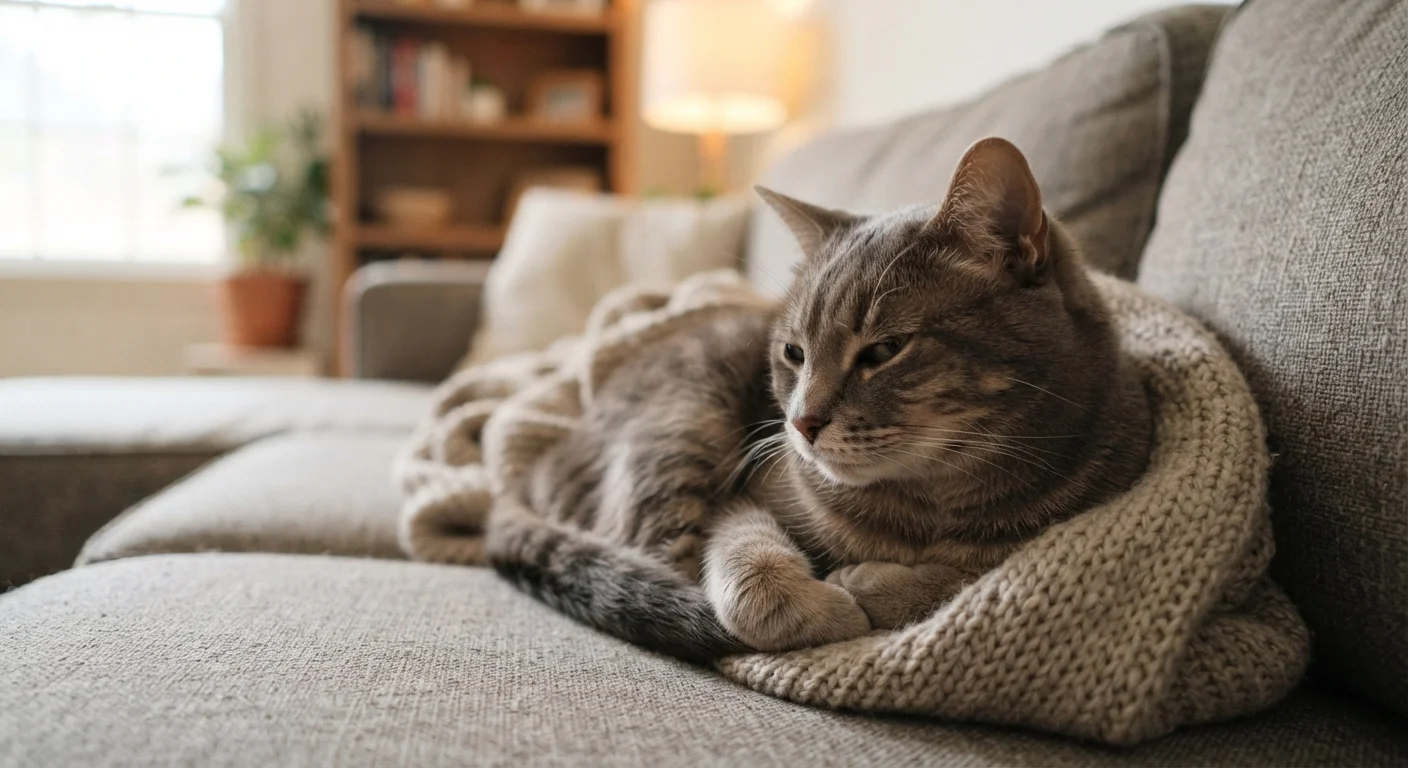
Cats are descended from solitary predators for whom showing vulnerability was dangerous. That instinct persists in domestic cats today: a cat in pain will often appear normal until the discomfort becomes severe. This makes it genuinely difficult for owners to catch problems early, and it is why knowing the indirect signs matters more than waiting for obvious distress.
Pain in cats can stem from injury, dental disease, arthritis, urinary problems, or internal illness. Because the cause varies widely, no single sign tells the whole story. Owners who learn the pattern of changes across behavior, posture, and appetite are better positioned to act before a problem worsens.
For reference, chronic stress can produce many of the same physical signs as pain, so ruling out environmental stressors alongside physical causes is worth discussing with your veterinarian.
Guarding behavior
When an animal protects a painful area by pulling away, tensing, or reacting aggressively when that area is touched or approached. It is a direct pain response, not personality aggression.
Feline pain scale
A veterinary assessment tool that uses facial expressions, posture, and interactive responses to estimate a cat's pain level. Veterinarians use it during exams to guide treatment decisions.
Visceral pain
Pain originating from internal organs such as the bladder, intestines, or kidneys. It is often harder for owners to detect because cats may show only subtle changes like posture shifts or appetite loss.
Periuria
Urinating outside the litter box. While it can have behavioral causes, it is also a common sign of urinary tract discomfort, bladder stones, or infection in cats.
Behavioral signs to watch for
Behavior shifts are usually the earliest clues. A cat in pain often withdraws from family interaction, stops seeking touch, or hides in locations it normally avoids. Conversely, some cats become unusually clingy or vocal, especially at night.
- Reduced grooming or, in some cases, over-grooming a specific body area
- Reluctance to jump onto furniture the cat previously used without hesitation
- Changes in litter box habits, including straining, going outside the box, or visiting more or less frequently than usual
- Decreased appetite or stopping eating altogether
- Increased irritability or aggression when touched in certain areas
That last point deserves attention. A cat that swats or bites when touched near its hips, abdomen, or mouth is communicating something specific. Understanding the body language cats use before aggression escalates can help owners distinguish defensive pain responses from unrelated territorial behavior.
Vocalization is less reliable as a standalone sign. Some cats in significant pain remain silent; others vocalize for reasons unrelated to pain. Context matters: a sudden increase in yowling from a cat that was previously quiet warrants investigation, particularly in older cats where cognitive or urinary changes may be involved.
Physical signs and posture changes
Physical appearance often reflects pain that behavior alone does not confirm. Watch for these changes:
- Hunched posture with the back arched and the abdomen tucked, even while resting
- Squinting or partially closed eyes, which veterinary research has associated with facial pain expressions in cats
- Flattened ears held to the side or back when the cat is not startled or threatened
- Rapid, shallow breathing at rest, which can indicate chest pain or respiratory involvement
- Coat changes such as matting, dullness, or an unkempt appearance from reduced self-grooming
- Visible lameness or a stiff, careful gait, particularly after rest
Older cats are especially prone to arthritis-related mobility changes that owners sometimes mistake for normal aging. Stiffness when rising and reluctance to use stairs are worth reporting to a vet at any age.
Dental pain is common and frequently missed. Signs include dropping food while eating, chewing only on one side, drooling, or pawing at the mouth. A dental exam is part of a routine wellness visit and is a reasonable first step when eating patterns change.
When to contact a veterinarian
Any single sign from the lists above warrants monitoring. A cluster of signs, or any sign that persists more than 24 to 48 hours, warrants a call to your veterinarian. Some situations require faster action.
Contact a vet promptly if your cat:
- Has not eaten for more than 24 hours
- Is straining in the litter box with little or no urine output, particularly a male cat, since urinary blockages are life-threatening
- Is breathing with visible effort or an open mouth
- Has collapsed, cannot stand, or is unresponsive
- Shows sudden, extreme behavior change or appears disoriented
Knowing when a situation calls for an emergency clinic versus a scheduled appointment can help you act at the right speed without unnecessary panic.
At the appointment, describe what you observed as specifically as possible: when you first noticed the change, how often it occurs, and whether anything seemed to trigger it. Veterinarians rely on this history because a cat will often mask pain during the exam itself.
This article is for informational purposes only and is not a substitute for professional veterinary advice, diagnosis, or treatment.