

Key Takeaways
- Brushing frequency depends on your dog's coat type, ranging from daily for long-haired breeds to weekly for short-haired dogs.
- Nail trims every three to four weeks prevent painful overgrowth and gait problems.
- Ear cleaning should be done monthly or when you notice buildup, using a vet-approved solution.
- Bathing every four to six weeks is appropriate for most dogs unless they get dirty more often.
- Starting grooming routines early and keeping sessions short builds positive associations for your dog.
Why home grooming matters
Professional grooming appointments are useful, but the weeks between visits matter too. Regular at-home grooming keeps your dog's coat, skin, ears, and nails in good condition and gives you a chance to notice anything unusual before it becomes a vet visit. A small lump, a red patch of skin, or a foul odor from an ear are all things you can catch early when you handle your dog routinely.
If you have a new dog, building a grooming habit from the start makes the process easier for both of you. See our new puppy preparation checklist for a full list of supplies to gather before you begin.
Brushing your dog's coat
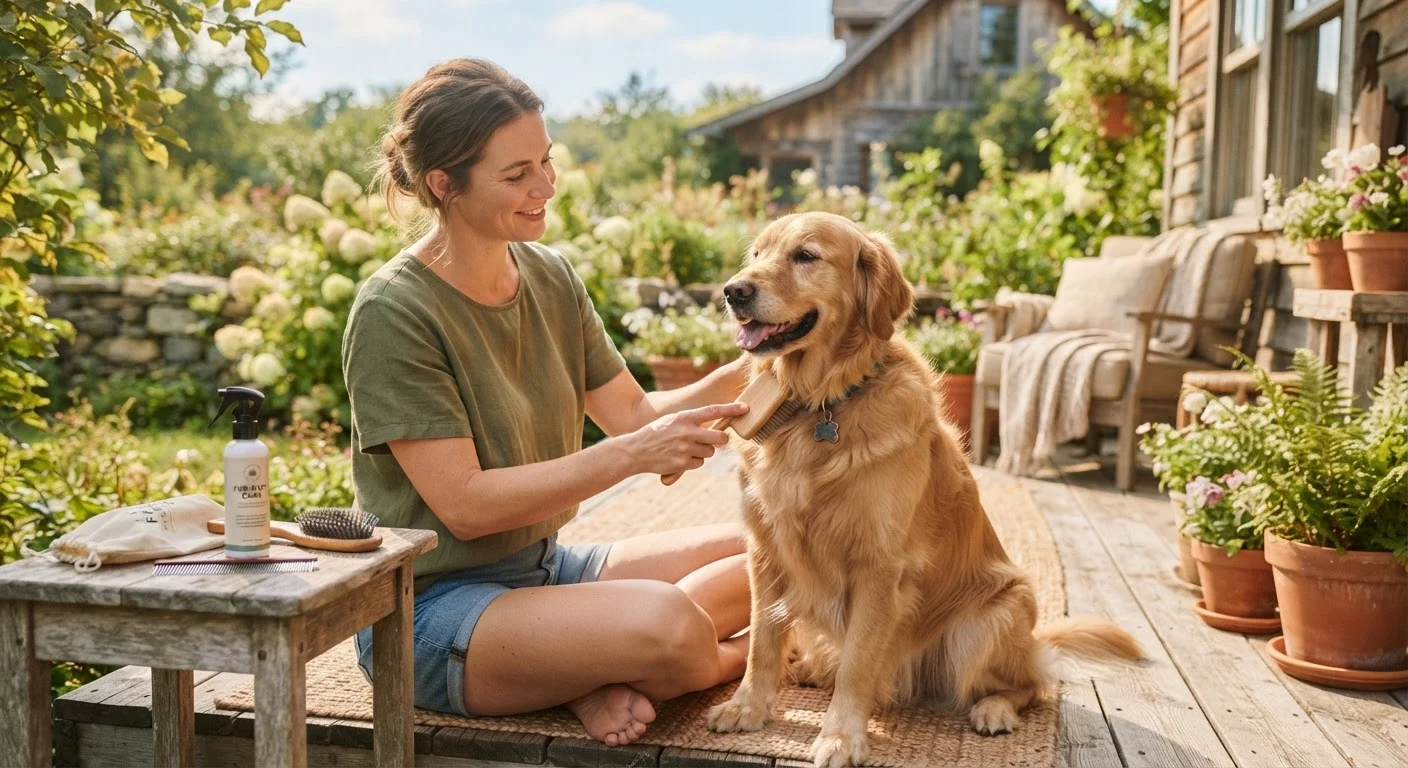
Brushing removes dead hair, distributes skin oils, and prevents mats. How often you brush depends on your dog's coat. Short-coated breeds such as beagles and boxers need brushing about once a week. Double-coated breeds such as huskies and golden retrievers shed heavily and benefit from brushing three to five times a week. Long-coated breeds such as shih tzus or maltese can mat quickly and may need daily brushing.
Work in the direction of hair growth and check for tangles near the ears, armpits, and collar area, where friction creates mats most often. If you find a mat, work it apart gently with your fingers before using a comb. Pulling a brush straight through a mat is painful and can break the skin.
Bathing without the struggle
Most dogs do well with a bath every four to six weeks. Bathing too frequently strips natural oils from the skin and can cause dryness or irritation. Use a shampoo formulated for dogs because human shampoo has a different pH and can disrupt your dog's skin barrier.
Before bathing, brush out any tangles. Water tightens mats and makes them much harder to remove afterward. Use lukewarm water and avoid spraying directly into the ears or eyes. After rinsing thoroughly, dry your dog with a towel or a low-heat dryer setting, keeping it moving so it does not overheat any one spot.
Dry ears thoroughly after bathing
Moisture trapped in the ear canal after a bath is one of the most common triggers for ear infections in dogs. Place a cotton ball loosely at the opening of each ear before bathing to limit water entry, then gently wipe the outer canal dry when you are done. If your dog shakes its head frequently after baths, a quick ear check is worth adding to your post-bath routine.
Trimming nails safely
Overgrown nails press against the ground when your dog walks, which shifts their weight and can strain joints over time. A good target is a trim every three to four weeks. If you can hear your dog's nails clicking on hard floors, they are already too long.
Dog nails contain a blood vessel called the quick. Cutting into it causes bleeding and pain, which is why many owners feel nervous about this task. Clip small amounts at a time and stop when you see a small dark dot appear in the center of the cut surface. That dot signals you are close to the quick. Keep styptic powder nearby to stop any bleeding quickly if you cut too far.
Monthly health checks can help you track nail length alongside other routine observations so nothing gets overlooked between grooming sessions.
Cleaning ears and checking eyes
Dogs with floppy ears, such as basset hounds or cocker spaniels, are more prone to ear infections because airflow inside the ear canal is reduced. Check ears weekly for redness, dark discharge, or a strong odor. Clean monthly, or more often if your vet recommends it, using a solution designed for dog ears. Squeeze a small amount into the ear canal, massage the base of the ear for about 30 seconds, then let your dog shake its head before wiping the outer canal with a cotton ball. Never insert cotton swabs into the canal.
For eyes, wipe away any discharge from the corners using a damp cloth. Some light tearing is normal, but yellow or green discharge or persistent redness warrants a vet call.
Making grooming a calm routine
Dogs that resist grooming are usually dogs that had bad early experiences or no exposure at all. The goal is to make each session predictable and low-pressure. Keep early sessions short, a few minutes at most, and pair them with calm praise. Gradually extend the time as your dog relaxes.
If your dog is anxious about being handled in general, the strategies covered in the guide to separation anxiety in dogs can give you a foundation for building comfort with new routines. Grooming does not need to be a source of stress for your dog or for you.
This article is for informational purposes only and is not a substitute for professional veterinary advice. Consult your veterinarian if you have concerns about your dog's skin, ears, or overall health.